
Yue sao and Chinese confinement care
Chinese Postpartum Nanny for Newborn Care and Mother's Recovery
Joannnannycare matches families with vetted Chinese postpartum nannies who support newborn care, mother's rest, recovery meals, overnight routines, baby laundry, and the first weeks home.
- Background-Checked & Vetted
- Live-In Care Available
- Nationwide Placement
- Replacement Support
What Is a Chinese Postpartum Nanny?
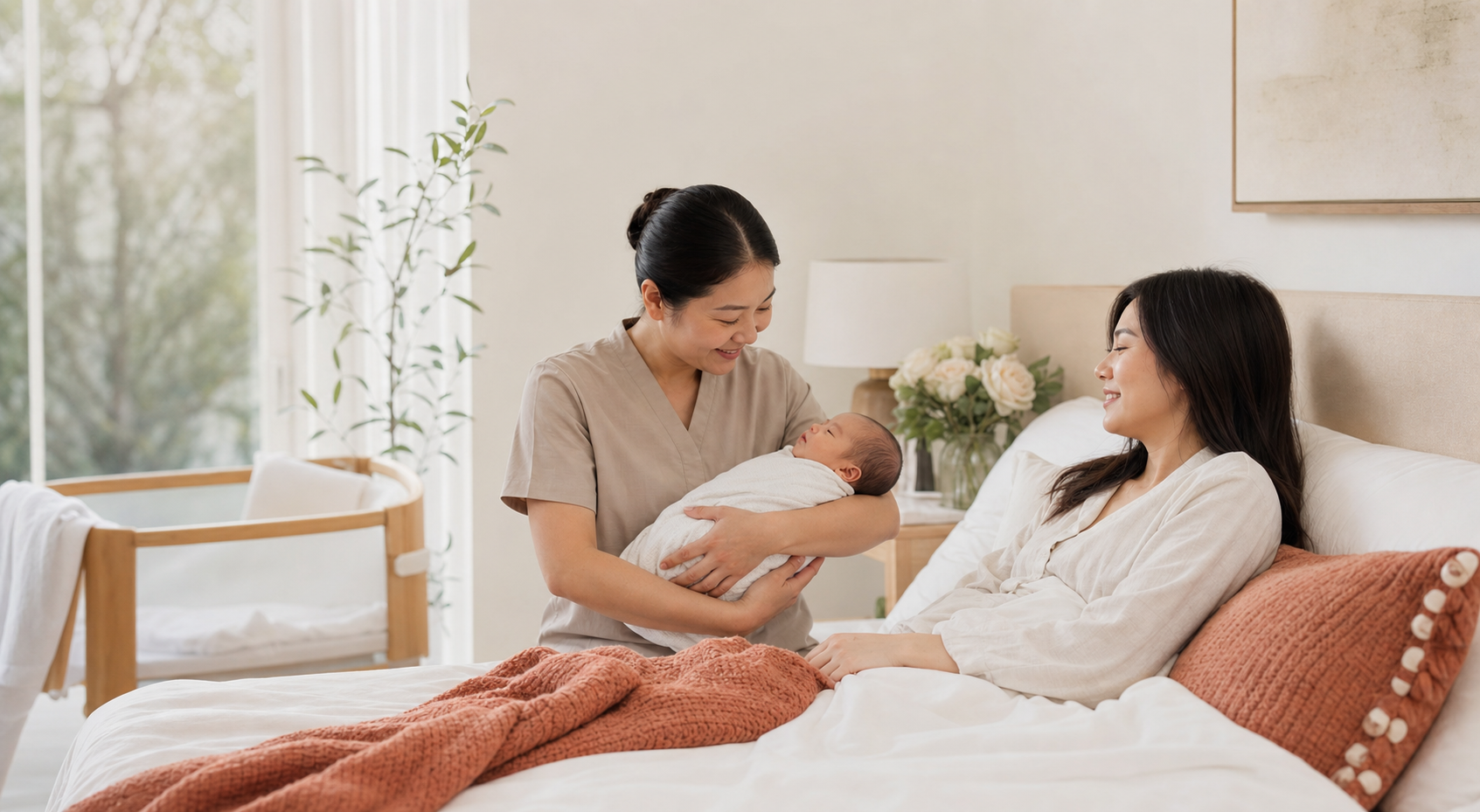
A Chinese postpartum nanny, often called a yue sao or confinement nanny, is a caregiver who supports a mother and newborn during the first weeks after birth. Her work is practical, steady, and deeply rooted in the idea that a new mother needs rest, nourishment, and protection from household overwhelm.
Families hire a postpartum nanny for newborn care, feeding support, overnight help, recovery meals, baby laundry, bathing, soothing, and guidance through the first month home. The role is different from a long-term nanny because it is focused on the short postpartum recovery window.
A yue sao cares for both baby and mother. The goal is not only childcare; it is a calmer recovery period for the whole household.
What a Chinese Postpartum Nanny Helps With
The strongest postpartum placements combine newborn experience, household steadiness, and an understanding of traditional Chinese recovery practices.
Postpartum & Newborn Care
- Professional postpartum care
- 24-hour newborn care
- Feeding, burping, and diaper changing
- Baby bathing and daily newborn care
- Bottle washing and sterilization
- Baby laundry and organization
- Assistance with establishing healthy baby routines
- Postpartum meals and nutritious meal preparation
Mother's Recovery Support
Encouraging rest, preparing warm meals, reducing household strain, reminding the mother to eat and hydrate, and supporting a slower transition back into daily life.
Overnight Help
Many live-in postpartum nannies help with nighttime feeds, burping, soothing, bottle prep, and baby care so parents can sleep in longer stretches.
Chinese Confinement Meals and Recovery Foods
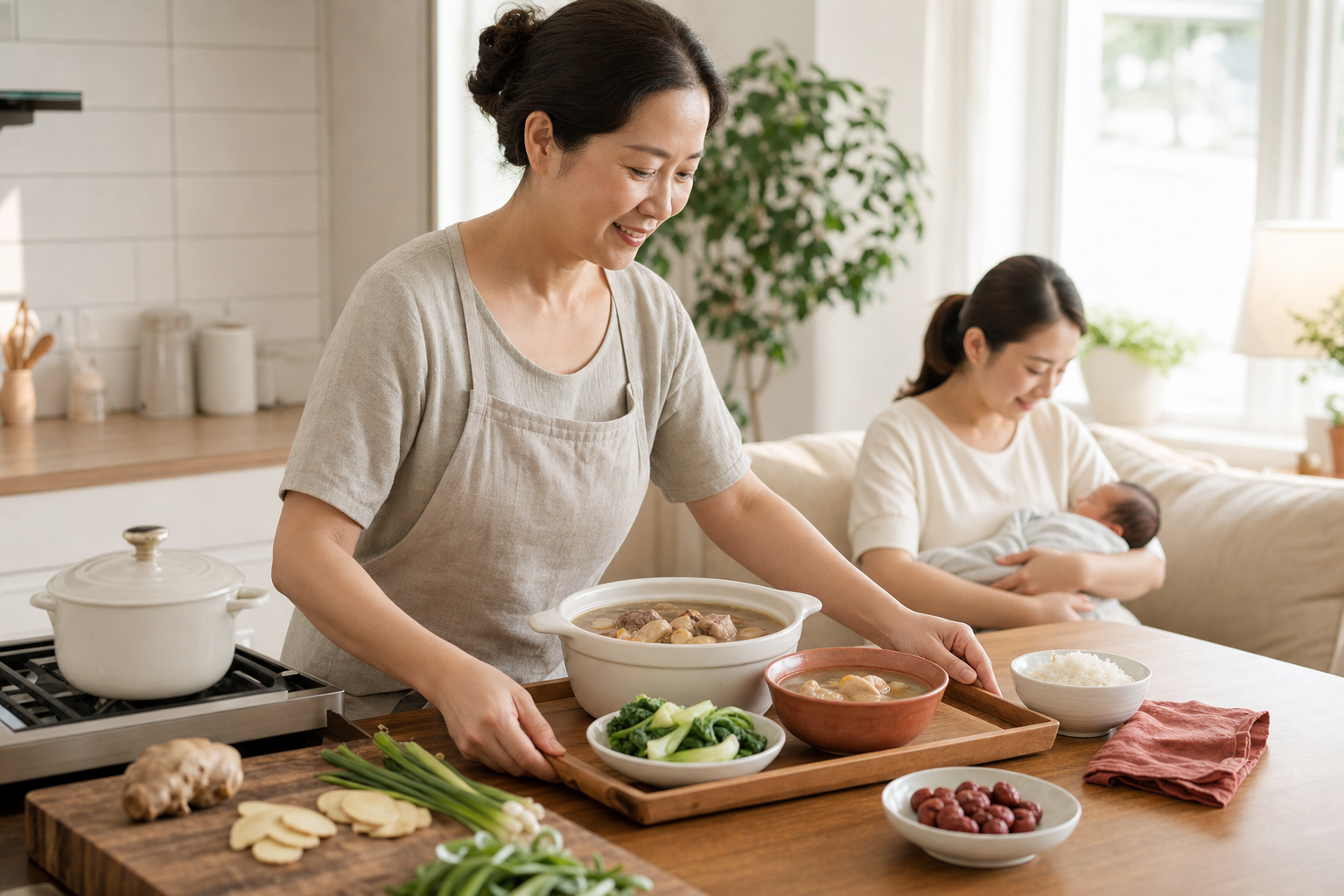
A major reason families hire a Chinese postpartum nanny is meal support. Traditional postpartum care often emphasizes warm, nourishing foods such as soups, ginger-based dishes, rice, vegetables, protein, and meals that are easy for a recovering mother to eat consistently.
Every family has its own preferences. Some want traditional Chinese confinement meals, some want lighter home cooking, and some need dietary adjustments for breastfeeding, allergies, or medical guidance. Joannnannycare confirms expectations before matching.
- Confinement soups
- Warm recovery meals
- Ginger-based dishes
- Baby-safe household routines
- Family-specific dietary needs
A Typical Day With a Postpartum Nanny
Every home is different, but most successful placements create a rhythm around feeding, rest, recovery meals, baby care, and light household support.
Morning Reset
The nanny prepares breakfast or warm recovery food, checks baby's supplies, handles baby laundry, tidies the nursery area, and helps the mother settle into the day.
Newborn Care Blocks
Throughout the day she supports diaper changes, soothing, burping, bathing, swaddling, bottle cleaning, and helping parents observe feeding and sleep patterns.
Recovery Meals
Lunch, soup, snacks, hydration, and dinner are prepared according to the family's preferences so the mother does not need to cook during recovery.
Night Support
For live-in or overnight arrangements, the nanny helps with night feeds, soothing, burping, and settling the baby so parents can rest more consistently.
Postpartum Nanny vs. Doula vs. Night Nurse
These roles overlap, but families usually choose them for different needs.
| Role | Main Focus | Best For |
|---|---|---|
| Chinese Postpartum Nanny | Newborn care, mother's meals, rest support, baby laundry, overnight help, and Chinese confinement-style household support. | Families who want live-in practical care during the first 30 to 60 days home. |
| Postpartum Doula | Emotional support, education, feeding guidance, and parent confidence after birth. | Parents who want coaching, reassurance, and shorter support visits. |
| Night Nurse | Overnight newborn care, feeding support, soothing, and parent sleep. | Families whose main need is nighttime coverage rather than full-day meals and household help. |
Many families choose a Chinese postpartum nanny because the role combines baby care, mother's recovery support, and household help in one placement.
Live-In, Live-Out and Short-Term Care
Chinese postpartum nanny care is most often live-in because newborn care and recovery support are needed throughout the day and night. A private sleeping area is important, and expectations around rest time, food, days off, and nighttime responsibilities should be clear before placement begins.
Some families prefer daytime or overnight-only help, especially when grandparents or another caregiver can share responsibilities. Joannnannycare helps clarify which arrangement fits your home, due date, space, budget, and recovery goals.
Common Care Windows
- First 30 days after birth
- Six-week recovery support
- Two-month live-in placement
- Overnight newborn support
- Short-term travel or transition care
How Our Matching Process Works
The best match depends on due date, household expectations, language, cooking style, baby care experience, and the mother's recovery preferences.
Consultation
Share your due date, location, care window, live-in or live-out preference, language needs, meal expectations, and newborn care priorities.
Matching
We review available candidates for experience, references, newborn skills, cooking ability, communication, and fit with your home.
Interview
You meet candidates by video call to discuss feeding, sleep routines, meals, night duties, rest time, and household boundaries before deciding.
Placement
Once selected, your nanny begins on the agreed date. Joannnannycare remains available for follow-up and replacement support if needed.
What a Chinese Postpartum Nanny Costs
Rates depend on location, dates, live-in or live-out structure, number of babies, overnight expectations, cooking scope, and the nanny's experience. Many families budget by the day or by the care window rather than by the hour.
Families should separate the caregiver's wage from the placement fee. The wage goes to the nanny. The placement fee covers screening, matching, coordination, and replacement support.
Timing
Book early when possible, especially for popular due-date windows.
Scope
Meals, nights, twins, and household expectations affect cost.
Location
Major metro areas and travel arrangements can change pricing.
Experience
Highly requested yue sao candidates usually book faster and cost more.
Where We Place Postpartum Nannies
Joannnannycare helps families across the United States find Chinese postpartum nannies, especially where Mandarin-speaking, Cantonese-speaking, live-in, and confinement care requests are common. Live-in placements can often support families outside the largest metro areas.
- California
- New York
- New Jersey
- Texas
- Washington
- Massachusetts
- Illinois
- Georgia
- Virginia
- Maryland
Frequently Asked Questions
What does a Chinese postpartum nanny do?
She supports newborn care, mother's recovery, meals, baby laundry, bathing, soothing, bottle cleaning, overnight routines, and light household support around mother and baby.
How long do families hire a postpartum nanny?
Many families hire for 30 days, six weeks, or two months. The right length depends on recovery goals, budget, family help, and whether the baby needs extra support.
Is this the same as a night nurse?
No. A night nurse focuses mainly on overnight newborn care. A Chinese postpartum nanny usually supports the mother, baby, meals, laundry, and household routines across the full day and night.
Do postpartum nannies cook confinement meals?
Many do. Meal style varies by nanny and family preference, so Joannnannycare confirms cooking expectations before matching.
Can I request Mandarin or Cantonese?
Yes. Common language requests include Mandarin, Cantonese, Toishanese, and basic English. Dialect and communication needs are reviewed during consultation.
Do you place nannies for twins?
Yes, when available. Twins require more newborn experience and clear expectations around night duties, feeding routines, and rest time.
How early should I book?
Families should start as early as possible, especially for popular due-date windows. Earlier consultation gives more time to find a strong match.
Do you offer replacement support?
Yes. If the match is not right during the stated replacement window, we help review the issue and coordinate another candidate according to the service agreement.
What Families Say
Families come to us when they want the first month home to feel calmer, warmer, and less overwhelming.
Our nanny helped with feeds, baths, baby laundry, and recovery meals. The first month felt far less overwhelming.
Susy C. Postpartum Care
The meals, soups, and night support made a huge difference. I could rest while knowing the baby was cared for.
Tiffany L. Confinement Meals
Joannnannycare helped us interview experienced candidates before our due date and choose someone who fit our home.
Brian L. Newborn Support
Having warm meals, clean bottles, and overnight help gave our family a calmer start with the baby.
Kay Family RecoveryReady to Find a Chinese Postpartum Nanny?
Tell us your due date, location, language preference, care window, and meal expectations. Joannnannycare will help match your family with a vetted postpartum nanny.